The Thrill of Risk and Reward
The psychology of casino gaming often hinges on the exhilarating interplay between risk and reward. Players are drawn to the uncertainty of the outcome, which creates an adrenaline rush. This thrill is rooted in the brain’s reward systems, where the potential for a significant payout activates pleasure centers. Understanding this appeal can shed light on why many individuals are willing to engage in activities that involve substantial risks, sometimes leading to challenges with gambling addiction. Engaging with such platforms, like casino online ireland, provides insight into this phenomenon.
Furthermore, the concept of ‘loss aversion’ plays a significant role in decision-making at casinos. Players are more likely to bet again after a loss than after a win, hoping to recover their previous losses. This behavior illustrates the cognitive biases that influence gambling habits and choices, often leading individuals to chase losses rather than walk away, thus entrenching them deeper into the gambling cycle.
The Role of Environment and Design
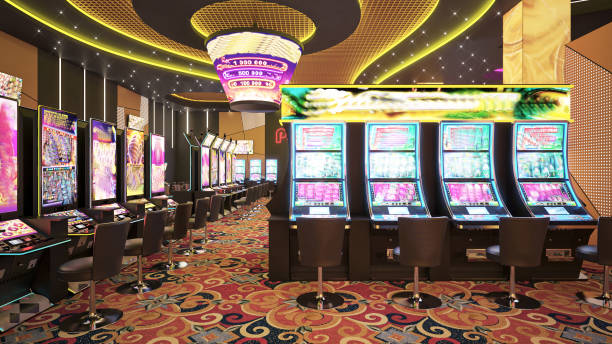
The layout and design of casinos are meticulously crafted to enhance the gaming experience and influence player choices. From vibrant colors to strategically placed lights and sounds, every element is designed to immerse players in a captivating environment. This sensory stimulation can trigger emotional responses that may lead to impulsive betting decisions, overshadowing logical reasoning.
Casinos also exploit social environments, as many gaming activities are designed for group participation. The presence of other players can create a sense of community, encouraging individuals to invest more time and money into their gaming experience. This social aspect can make it difficult for players to recognize the potential consequences of their actions, thereby impacting their decision-making processes.
The Impact of Cognitive Biases
Cognitive biases significantly influence how individuals approach gaming decisions. One prevalent bias is the ‘gambler’s fallacy,’ where players mistakenly believe that past outcomes affect future results in games of chance. For example, after a streak of losses, many gamblers may presume that a win is ‘due’—a belief that can lead to reckless betting behavior.
Another cognitive phenomenon, known as ‘confirmation bias,’ leads individuals to favor information that supports their existing beliefs about winning and losing in gambling. This selective attention can cloud judgment, causing players to dismiss negative experiences while remembering only positive outcomes. Such biases complicate the rational evaluation of one’s gaming decisions, often resulting in continued engagement despite negative consequences.
The Emotional Rollercoaster of Gambling
The emotional experiences tied to gambling can significantly shape decision-making processes. The euphoric highs after a win can create a deep attachment to gaming, reinforcing the desire to keep playing. Conversely, the lows associated with losses can lead to frustration and desperation, driving players to gamble more to regain their lost money.
Understanding this emotional rollercoaster can help players recognize the psychological traps they might fall into. By acknowledging the fluctuation of emotions in response to wins and losses, individuals can develop healthier gaming habits, allowing for a more balanced approach to casino gaming and mitigating the risk of developing problematic behaviors.

Ensuring Safe Gaming Experiences
Acknowledging the complex psychology behind casino gaming decisions is essential for fostering safer gaming environments. Many online platforms prioritize user security, employing sophisticated measures to protect against cyber threats while encouraging responsible gambling practices. By understanding the potential psychological pitfalls, players can make more informed decisions and enjoy gaming without falling prey to its risks.
For users who may face access challenges due to security protocols, it is crucial to maintain communication with the site owner. Clear guidance and support can enhance overall user experience while ensuring that gaming remains a fun and safe activity. Promoting awareness about the psychological aspects of gambling empowers users to engage responsibly, ultimately creating a more secure online gaming community.